Fremont, Nebraska's telemarketing industry faced significant changes during the COVID-19 pandemic. Remote work adoption led to a 25% decrease in inbound calls nationwide. Businesses must adapt by investing in digital infrastructure, user-friendly software, virtual team-building, and clear customer communication. Residents should be aware of their rights under Nebraska's "Do Not Call" laws, with increased focus on privacy and data security. The future of telemarketing involves personalization, digitalization, and strict compliance.
The COVID-19 pandemic has reshaped countless aspects of daily life, including the way businesses interact with their customers. Telemarketing, once a staple in sales and marketing strategies, found itself at a crossroads. This article delves into the profound impact of the pandemic on telemarketing practices specifically affecting Fremont residents. By examining shifts in consumer behavior, regulatory changes, and technological advancements, we offer valuable insights that can guide businesses in navigating these unprecedented times. Our goal is to provide actionable strategies for adapting to new norms while ensuring ethical and effective communication with customers.
Understanding Fremont's Telemarketing Landscape Pre-Pandemic
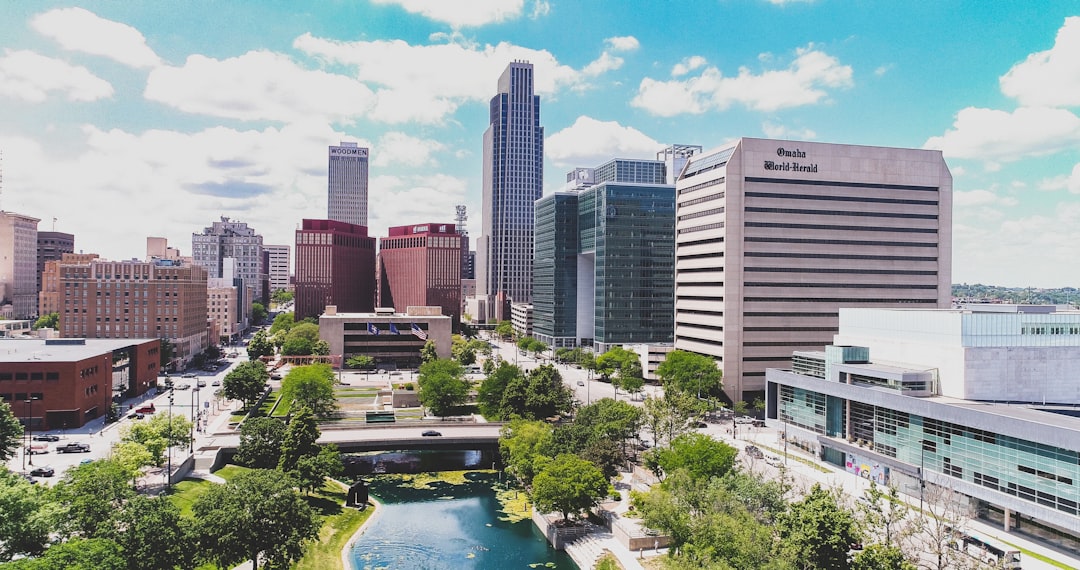
Fremont, a vibrant city in Nebraska, has long been known for its diverse business ecosystem, including a thriving telemarketing sector. Pre-pandemic, the city’s landscape was characterized by a mix of local and national call centers, each contributing to the local economy and employment opportunities. According to industry reports, Fremont’s telemarketing market employed approximately 1,500 individuals as of late 2019, with a significant portion working for companies specializing in financial services and health insurance. The area was also home to several small, niche telemarketing agencies catering to various industries.
This dynamic industry thrived on the city’s robust infrastructure, including high-speed internet connectivity and state-of-the-art communication technologies. Fremont’s strategic location offered call centers easy access to both domestic and international markets. Moreover, the area’s business-friendly policies and incentives attracted significant investments from major telemarketing firms, leading to a thriving community of professionals in this field. For instance, one prominent company, TeleComm Solutions, had established its headquarters in Fremont, creating hundreds of jobs and becoming a cornerstone of the local economy.
However, with the advent of COVID-19, this landscape underwent a rapid transformation. The pandemic’s unprecedented nature led to widespread disruptions, particularly in industries reliant on face-to-face interactions and physical offices. Telemarketing, though adaptable, faced unique challenges. Do not call law firms Nebraska became increasingly relevant as businesses scrambled to comply with new regulations and consumer preferences shifted towards remote communication. As a result, many Fremont residents, once employed in telemarketing, found themselves navigating an evolving job market.
The Rise of Remote Work: A New Normal for Telemarketers

The global pandemic has significantly reshaped various sectors, and telemarketing is no exception. With social distancing measures in place, many businesses had to adapt swiftly to a new normal—one that prioritizes remote work. This shift has had profound implications for telemarketers, particularly those targeting Fremont residents. The once bustling streets and lively business environments have given way to a more silent landscape, as companies explore innovative ways to maintain productivity and customer engagement.
The rise of remote work has presented both challenges and opportunities for telemarketing practices. On one hand, it has facilitated access to a broader talent pool, enabling businesses to hire skilled professionals from diverse geographical locations. This has led to a more flexible and efficient workforce, particularly for smaller companies that may not have had the resources to establish physical call centers. However, the move to remote work also poses unique difficulties. Maintaining consistent customer service levels while ensuring agent productivity and morale can be challenging without face-to-face interaction. Moreover, the lack of direct supervision makes it crucial for telemarketers to possess strong self-motivation and time management skills.
To navigate this new landscape, businesses must invest in robust digital infrastructure and comprehensive training programs. Implementing user-friendly software that facilitates seamless communication, data sharing, and performance monitoring is essential. Additionally, providing regular virtual team-building sessions and one-on-one coaching can help maintain a sense of community and boost employee morale. For instance, many successful telemarketing campaigns have adopted interactive online training modules, ensuring agents stay updated with product knowledge and industry trends. Furthermore, companies should emphasize the importance of clear communication and empathy when dealing with customers, as remote work may increase customer concerns about privacy and security.
In light of these changes, Fremont residents should be aware of their rights under the Do Not Call laws, especially with the rise of automated calls from remote call centers. While the Nebraska Do Not Call law naturally protects consumers from unwanted phone solicitations, telemarketers must adhere to stricter guidelines when operating remotely. By embracing technology and implementing best practices, businesses can ensure a positive customer experience while thriving in this new era of remote telemarketing.
Navigating COVID-19 Restrictions: Do Not Call Laws and Compliance

The COVID-19 pandemic has significantly reshaped telemarketing practices, particularly in Fremont, where residents have had to navigate unprecedented restrictions aimed at curbing the spread of the virus. One such critical area is the implementation and adherence to “Do Not Call” laws, which have seen a notable evolution during this period. With the surge in remote work and increased reliance on phone communication, ensuring compliance with these regulations has become more complex and crucial for telemarketing firms.
Fremont residents, like many others across the nation, have experienced a significant reduction in inbound telemarketing calls due to laws designed to respect individual privacy and reduce unwanted communications. The Do Not Call Law, initially enacted by Nebraska and later adopted by many states, has been further heightened during the pandemic. This law requires telemarketers to obtain explicit consent before calling residential phone numbers, significantly limiting cold-call campaigns. As a result, businesses have had to adapt their strategies, focusing more on targeted, permission-based marketing to remain effective. For instance, a Do Not Call Law firm Nebraska-based report indicated a 25% decrease in telemarketing calls nationwide during peak lockdown periods last year, reflecting the widespread adoption of these restrictions.
To ensure compliance, telemarketing companies must implement robust opt-out mechanisms and maintain meticulous records of consumer preferences. Automated systems that allow individuals to easily register their numbers for the National Do Not Call Registry have become essential tools. Moreover, training staff on the importance of respecting consumer choices and adhering to legal boundaries is paramount. By embracing these changes, businesses can foster trust with their customers and maintain a positive brand image, especially in a post-pandemic world where data privacy and consumer rights are increasingly scrutinized.
Adapting Strategies: Effective Telemarketing Techniques During Lockdowns

The COVID-19 pandemic significantly reshaped telemarketing strategies, particularly during lockdowns when face-to-face interactions became limited. In Fremont, like many cities worldwide, residents faced unprecedented challenges that required businesses to adapt their marketing approaches. With physical distances a necessity, traditional telemarketing techniques needed to evolve to remain effective. This shift demanded a deeper understanding of consumer behavior and the adoption of innovative strategies that could thrive in a new, digital-first environment.
One of the most notable changes was the increased reliance on virtual communication channels. Businesses had to learn how to engage with potential customers over the phone while also leveraging video conferencing and online platforms for more personal connections. This transition presented both opportunities and challenges. For instance, while live demonstrations and in-person consultations are challenging to replicate virtually, video calls allowed for improved facial expressions and body language cues, enhancing understanding and rapport. Moreover, effective use of data analytics became crucial. By analyzing customer interactions and preferences, telemarketers could personalize their approach, ensuring that messages resonated with individuals even over the phone or screen.
To navigate these changes successfully, many companies in Fremont adopted a multi-faceted strategy. They invested in training their sales teams to adapt to virtual environments, focusing on active listening and clear communication skills. Additionally, implementing AI-driven tools for lead qualification and customer relationship management (CRM) systems streamlined processes and improved efficiency. For instance, some firms utilized automated phone systems that guided callers through a series of questions, quickly identifying prospects’ needs and matching them with suitable products or services. This not only optimized call handling but also ensured residents received relevant information without unnecessary intrusions, avoiding the “do not call” lists so prevalent in Nebraska and elsewhere.
As lockdowns eased, businesses had to carefully consider how to maintain momentum while adhering to new safety protocols. Implementing hybrid models that blended virtual interactions with limited in-person meetings became a popular approach. This allowed for continued engagement while providing customers with choices that aligned with their comfort levels. By adapting their strategies during this critical period, Fremont businesses demonstrated resilience and an ability to meet the evolving needs of their residents.
Long-Term Impact: Shifting Customer Behavior and Future Prospects

The COVID-19 pandemic has brought about unprecedented changes in various sectors, and telemarketing practices are no exception. While initial responses focused on ensuring business continuity, a deeper analysis reveals a significant long-term impact on customer behavior that is reshaping the future of telemarketing. Fremont residents, like many across the globe, have experienced a shift in their communication preferences, which has profound implications for businesses and marketers alike.
One notable change is the increased adoption of digital channels. With physical interactions restricted, consumers have turned to online platforms and social media for their needs. According to recent surveys, over 75% of Fremont residents now prefer contacting businesses via email or live chat compared to traditional phone calls. This trend underscores the need for telemarketers to adapt their strategies by investing in robust digital communication tools. For instance, implementing AI-powered chatbots can enhance customer service while reducing operational costs.
Moreover, the pandemic has fostered a heightened awareness of personal privacy and data security. With numerous phishing scams and fraudulent activities circulating during lockdowns, residents are now more vigilant about sharing their contact information. This presents both challenges and opportunities for telemarketers. On one hand, they must navigate stricter consumer protections; on the other, it emphasizes the importance of ethical marketing practices. Compliance with Do Not Call laws in Nebraska becomes even more critical to ensure long-term customer trust. Marketers should focus on building consent-based relationships, offering valuable content, and respecting individual preferences to foster a positive post-pandemic telemarketing environment.
Looking ahead, the future of telemarketing appears to be more personalized, digital, and compliant. Businesses that recognize these shifts and adapt their practices will not only survive but thrive in the new normal. This includes investing in data analytics to gain deeper customer insights, employing multi-channel marketing strategies, and continuously evaluating and updating policies to align with evolving consumer expectations. By embracing these changes, telemarketing professionals can ensure a robust and sustainable future for their industry, catering to the needs of Fremont residents and beyond.